5 Simple Ways to Make Your HVAC System More Energy Efficient
Your HVAC system is one of the biggest energy users in your home. Heating in the winter and cooling in the summer can account for a large portion of your utility bills. The good news is that small changes in how you use and maintain your system can make a big difference for both your energy costs and the environment. Here are five practical ways to make your HVAC system more energy efficient.
1. Upgrade to a Programmable Thermostat A programmable thermostat allows you to set different temperatures for different times of the day. You can lower the heat or raise the cooling when you’re away from home or sleeping, reducing energy waste without sacrificing comfort. Smart thermostats can even learn your schedule and adjust automatically, making energy savings effortless.
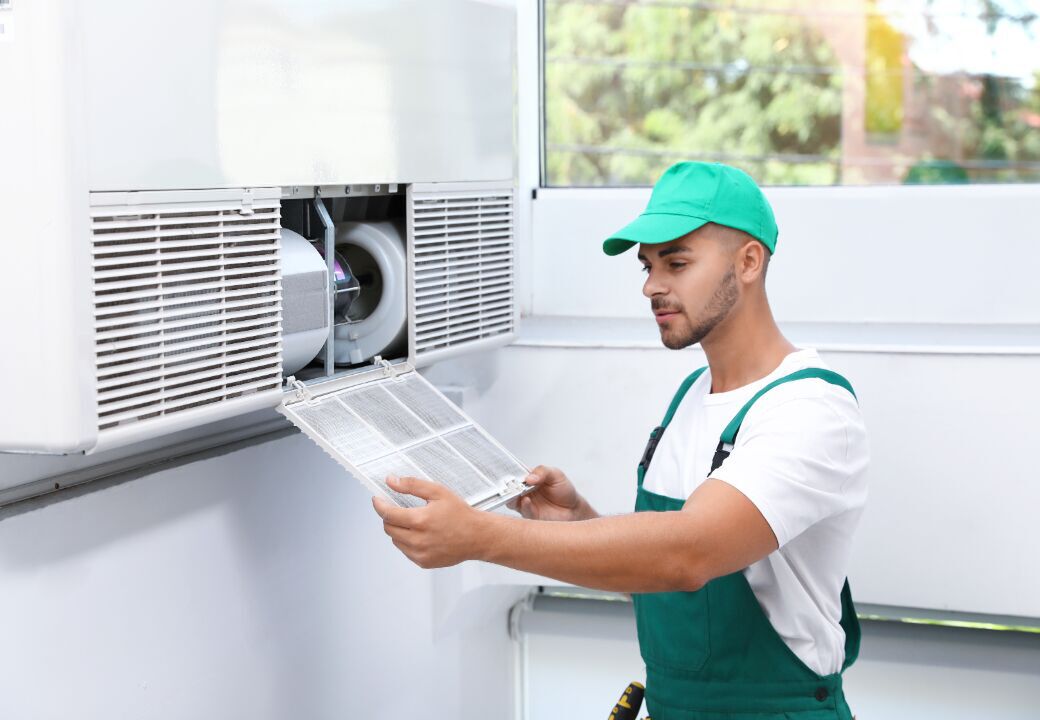
2. Change Air Filters Regularly Clean air filters improve airflow, reduce strain on your system, and help it run more efficiently. A clogged filter forces your HVAC system to work harder, consuming more energy. Checking filters monthly and replacing them as needed—usually every one to three months—keeps your system running smoothly.
3. Seal Duct Leaks Leaky ducts can waste a significant amount of heated or cooled air, making your system work harder to maintain your desired temperature. Sealing leaks with mastic or metal tape ensures that air flows where it should, improving efficiency and comfort in every room.
4. Keep Vents and Coils Clean Dust, dirt, and debris on vents and coils reduce the system’s ability to transfer heat effectively. Cleaning vents, registers, and HVAC coils regularly allows your system to operate more efficiently and maintain consistent temperatures throughout your home. Professional coil cleaning once a year is also recommended for optimal performance.
5. Schedule Regular Maintenance Seasonal HVAC checkups by a licensed technician are essential for energy efficiency. Technicians inspect, clean, and tune components like fans, motors, and compressors to ensure everything is running optimally. They can also identify small issues before they become costly repairs, keeping your system operating efficiently and reliably.
Beyond these steps, simple lifestyle habits can also help. Closing blinds on hot summer days, using ceiling fans to circulate air, and avoiding blocking vents all reduce the workload on your HVAC system. The combination of regular maintenance, smart upgrades, and small daily habits can result in noticeable energy savings over time.
Energy-efficient HVAC practices don’t just save money—they’re better for the environment too. Reducing your system’s energy consumption lowers your carbon footprint and helps conserve resources. Even small improvements, when done consistently, can add up to a more sustainable home.
In conclusion, making your HVAC system more energy efficient is achievable with a few intentional steps. Upgrading thermostats, maintaining filters, sealing ducts, cleaning components, and scheduling professional maintenance all contribute to a system that works smarter, not harder. These changes help lower energy costs, improve comfort, and extend the life of your HVAC system, creating a home that’s both cost-effective and eco-friendly.